
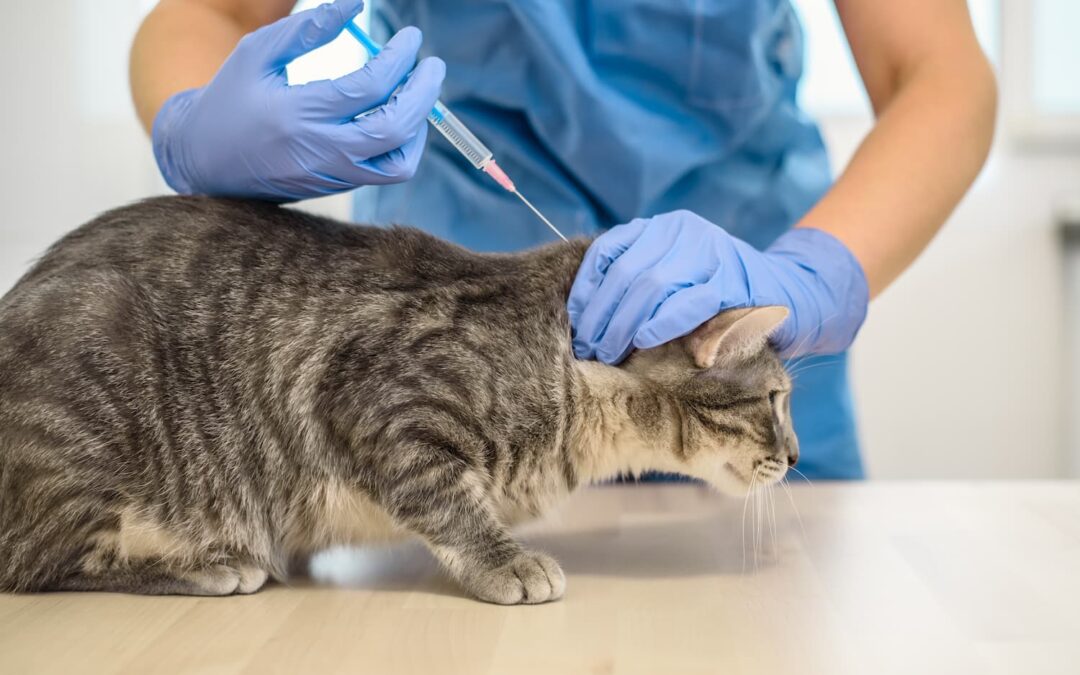
As a cat owner, you want to do everything possible to keep your feline companion healthy. One of the most common questions we hear is, “What vaccines does my cat actually need?” The answer depends on several factors, including your cat’s age, lifestyle, and risk of exposure to certain diseases.
Some vaccines are recommended for nearly every cat, while others are suggested only for cats with specific risk factors. Understanding which vaccines your cat needs can help you make informed decisions about their care and ensure they stay protected throughout their life.
Why Are Vaccines Important for Cats?
Vaccines help prepare your cat’s immune system to recognize and fight potentially dangerous diseases. By stimulating the body’s natural defenses, vaccines can reduce the risk of serious illness and, in some cases, prevent diseases that can be fatal.
Many infectious diseases spread easily among cats and can be difficult or costly to treat. Vaccination remains one of the safest and most effective ways to protect your cat’s long-term health.
Even if your cat spends most of their time indoors, preventive care is still important. Unexpected situations, such as an escaped pet, a new cat entering the household, or exposure to wildlife, can increase the risk of disease.
Core Vaccines Most Cats Need
Core vaccines are those recommended for almost all cats, regardless of lifestyle.
Rabies Vaccine
The rabies vaccine is considered essential for cats. Rabies is a viral disease that affects the nervous system and is almost always fatal once symptoms develop. It can also be transmitted to humans and other animals.
Many states and municipalities require rabies vaccination by law. Even indoor cats can be exposed if a bat or other wildlife enters the home.
Because rabies poses a risk to both pets and people, staying current on this vaccine is an important part of responsible pet ownership.
FVRCP Vaccine
Another core vaccine is the FVRCP vaccine. This combination vaccine protects against three highly contagious feline diseases:
- Feline Viral Rhinotracheitis
- Calicivirus
- Panleukopenia
These diseases can lead to serious symptoms such as sneezing, nasal discharge, fever, eye infections, loss of appetite, and dehydration. In severe cases, they can become life-threatening.
Kittens are particularly vulnerable, but cats of all ages can benefit from protection. The FVRCP vaccine plays a major role in maintaining your cat’s overall health and reducing the spread of disease within the feline population.
Vaccines Some Cats May Need
Not every cat requires the same vaccine plan. Depending on your cat’s lifestyle, our veterinarian may recommend additional protection.
Feline Leukemia (FeLV) Vaccine
The feline leukemia vaccine helps protect cats against feline leukemia virus (FeLV), a contagious infection that can weaken the immune system and make cats more susceptible to serious illnesses.
This vaccine is commonly recommended for:
- Kittens
- Outdoor cats
- Cats that interact with unfamiliar cats
- Cats living in multi-cat households
Many kittens receive the FeLV vaccine as part of their initial vaccination series. As cats mature, our veterinarian can assess their lifestyle and determine whether continued vaccination is appropriate.
Lifestyle-Based Vaccine Recommendations
Every cat’s situation is different. A cat that travels, spends time outdoors, visits boarding facilities, or regularly interacts with other cats may face different risks than a strictly indoor cat.
During wellness visits, our veterinary team will review your cat’s daily routine and help determine whether any additional vaccines are recommended.
What Vaccines Do Kittens Need?
Kittens require a series of vaccinations during their first few months of life because their immune systems are still developing.
Most kittens begin receiving vaccines between 6 and 8 weeks of age. Booster vaccines are then administered at regular intervals until approximately 16 weeks of age.
A typical kitten vaccine schedule includes:
- FVRCP vaccine series
- Rabies vaccine
- Feline leukemia vaccine, depending on risk factors
These early vaccinations help build strong immunity during a critical stage of growth.
Why Do Kittens Need Multiple Vaccine Visits?
Many pet owners wonder why kittens need several vaccine appointments instead of just one.
Young kittens receive temporary antibodies from their mother, which can interfere with vaccine effectiveness. By administering a series of vaccines over several weeks, we can help ensure your kitten develops lasting protection as maternal antibodies decline.
Completing the entire vaccine series is essential for giving your kitten the best possible start.
What Vaccines Do Adult Cats Need?
Adult cats still need vaccines, even after completing their kitten series.
Booster vaccinations help maintain immunity and ensure continued protection against disease. The timing of boosters varies depending on the vaccine used, your cat’s health status, and their lifestyle.
Some vaccines may be administered annually, while others are given every few years.
Do Indoor Cats Need Vaccines?
This is one of the most frequently asked questions among cat owners.
While indoor cats generally have lower exposure risks, they are not completely risk-free. Open doors, open windows, visiting pets, wildlife encounters, and emergency situations can all create unexpected exposure opportunities.
For this reason, many indoor cats continue to benefit from core vaccines such as rabies and FVRCP.
How Do We Determine Which Vaccines Your Cat Needs?
There is no universal vaccination plan that fits every cat. Our veterinarian will consider several factors when making recommendations, including:
- Age
- Overall health
- Indoor or outdoor lifestyle
- Contact with other cats
- Travel and boarding plans
- Local disease risks
Vaccination recommendations can change over time as your cat’s lifestyle changes. Regular wellness exams provide an opportunity to review your cat’s needs and keep their preventive care plan up to date.
A Personalized Approach to Protection
The best vaccination plan is one that is tailored to your individual cat. Some cats may only need core vaccines, while others benefit from additional protection based on their environment, age, and lifestyle.
At Cloquet Animal Hospital, our veterinary team is committed to helping cat owners make informed decisions about preventive care. We take the time to evaluate your cat’s unique needs and recommend vaccines that support their health at every stage of life.
If you have questions about your cat’s vaccination schedule or want to ensure they are fully protected, we’re here to help. Call Cloquet Animal Hospital at (218) 879-9280 or schedule an appointment online. Together, we can create a personalized vaccination plan that helps your feline companion enjoy a long, healthy life.
Image credit: Envato