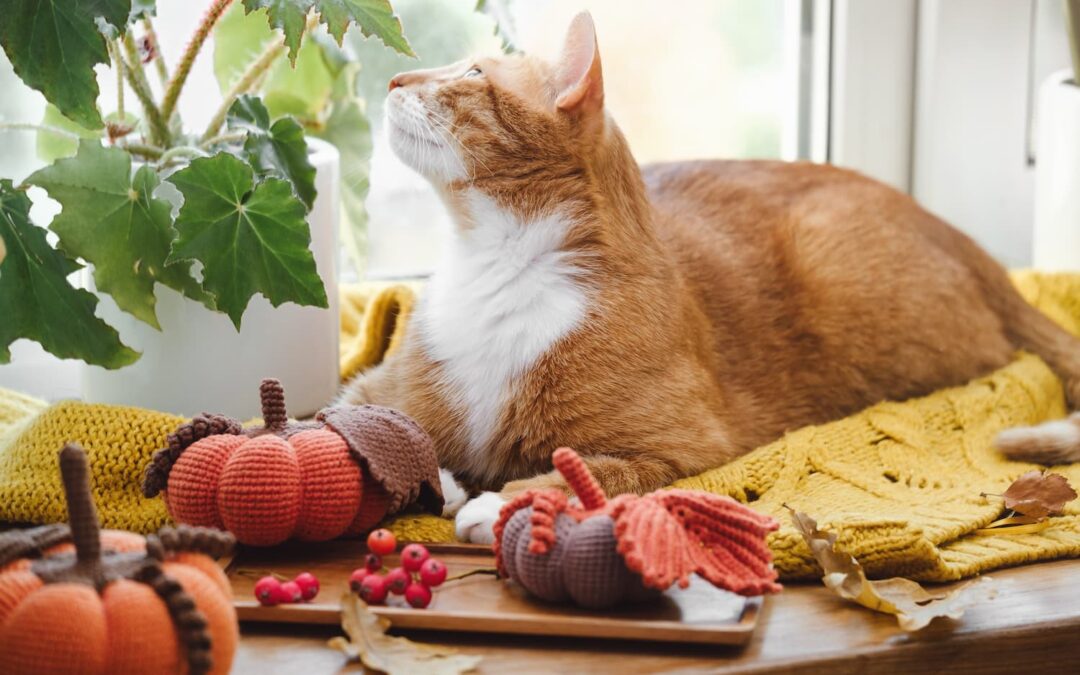
Cooler fall days in Cloquet can be a welcome change for pets and their people. But as daylight hours shrink and temperatures drop, daily routines often change too. Your dog’s long evening walk may become shorter, or your cat may spend more time curled up in a favorite warm spot. If your pet keeps eating the same amount while getting less exercise, those extra calories can gradually show up on the scale.
Fall weight gain in pets can be easy to overlook, especially under a thick coat. Making a few adjustments to food, treats, and daily activity can help your dog or cat maintain a healthy weight as we head into a Minnesota winter.
Why Do Pets Gain Weight in the Fall?
Weight gain happens when a pet regularly consumes more calories than they use. Seasonal changes can make that balance harder to maintain.
Shorter days, colder temperatures, rain, and eventually snow may reduce outdoor exercise. Dogs that enjoyed long summer walks or backyard play may become less active. Indoor cats can also settle into quieter routines.
Food can play a role, too. An extra treat here or a bite of table food there may seem small, but those calories add up. If your pet’s activity decreases while meal portions and treats remain unchanged, gradual weight gain can follow.
How to Tell If Your Pet Is Gaining Too Much Weight
The number on the scale is useful, but it is not the only way to evaluate a healthy weight for dogs and cats. Body shape and body condition also matter.
Watch for changes such as:
- Ribs becoming harder to feel beneath a light layer of fat
- A waist that is less noticeable when viewed from above
- A rounded or sagging abdomen
- Less enthusiasm for walks, stairs, jumping, or play
- Becoming tired more quickly during normal activities
Because ideal weight varies by breed, age, body structure, and health, our veterinarian can assess your pet’s body condition and help determine an appropriate weight range.
Adjust Your Pet’s Food as Activity Levels Change
If your pet is moving less this fall, resist the temptation to make a large or sudden reduction in food. Calorie needs vary considerably among pets, and cutting portions too aggressively can result in an unbalanced diet or leave your pet hungry.
Start by measuring meals instead of estimating portions. Check the feeding guidelines on your pet’s food, but keep in mind that these are starting points rather than exact requirements for every animal.
Treats matter, too. Try keeping treats small and counting them as part of your pet’s daily calories. You can also set aside a portion of your dog or cat’s regular food to use as rewards throughout the day.
If you are unsure what or how much to feed, our veterinary team can recommend a pet nutrition plan based on your pet’s age, current weight, activity level, and medical needs. You can also visit the Cloquet Animal Hospital online pharmacy for convenient access to veterinary-recommended pet products.
Keep Dogs Active During a Cloquet, MN Fall
A chilly day does not have to mean a day without exercise. The goal is to find activities that fit your dog’s abilities and the weather.
Try shorter walks more frequently if long outings are becoming uncomfortable. Indoor games such as hide-and-seek, gentle fetch, food puzzles, or practicing basic cues can keep both the body and brain busy.
Exercise needs vary, especially for puppies, senior dogs, and dogs with arthritis or other health conditions. Our veterinarian can help you determine an appropriate activity level if you have concerns about your dog’s mobility or stamina.
Help Indoor Cats Get More Exercise
Cats need daily activity too, although convincing a cat to participate can sometimes require creativity.
Interactive wand toys, balls, climbing structures, scratching posts, and food puzzles can encourage movement. Many cats respond well to several short play sessions instead of one long session.
Try mimicking hunting behavior by moving a toy along the floor, around furniture, or behind an object. Giving your cat an opportunity to stalk, chase, and pounce provides physical exercise along with mental stimulation.
Choose Treats Without Sabotaging Weight Goals
Treats are one of the easiest places for extra calories to sneak into a pet’s day. Everyone in the household may offer only a little, but several “little” treats can become a substantial amount by bedtime.
Consider breaking larger treats into smaller pieces. Dogs usually care more about receiving the reward than its size. For cats, a few pieces of their measured daily food can work as treats during play or training.
Table scraps deserve extra caution. Besides adding calories, some human foods are unsafe for pets or can cause digestive upset.
Could Weight Gain Signal a Health Problem?
Reduced activity and excess calories are common causes of pet weight gain, but they are not the only possibilities. Certain medical conditions, medications, age-related changes, and mobility problems may affect a pet’s weight or activity level.
Schedule an examination if your pet gains weight unexpectedly or you notice other changes such as unusual tiredness, changes in thirst or appetite, hair or skin changes, or difficulty exercising. Our veterinarian can evaluate the bigger picture rather than assuming food is the only cause.
When to Talk to Our Veterinarian About Pet Weight Management
Pet weight management is about much more than appearance. Maintaining a healthy body condition can support comfortable movement and your pet’s overall quality of life.
Cloquet Animal Hospital has cared for pets in the Cloquet community for more than 80 years. Our veterinary team can evaluate your pet’s current body condition, discuss nutrition and exercise, and help you set realistic weight goals based on your pet’s individual needs.
Healthy Fall Habits Can Carry Into Winter
Fall is a great time to check in on your pet’s weight before cold Minnesota weather makes daily routines even more challenging. Small changes, such as measuring meals, limiting extra treats, and building activity into each day, can make healthy habits easier to maintain throughout winter.
If you are concerned about your pet’s weight or are unsure how much food and exercise they need, request an appointment with Cloquet Animal Hospital or call (218) 879-9280. Our veterinary team is happy to help you create a plan that supports your pet through fall, winter, and beyond.
Image credit: Envato