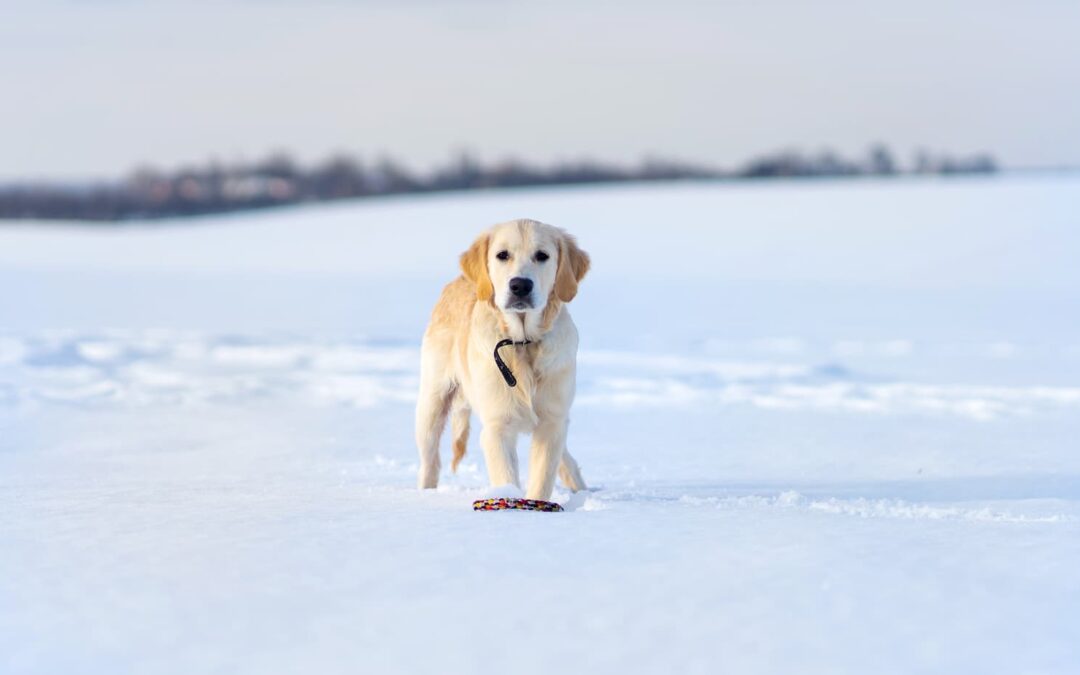
Winter in Cloquet, Minnesota, brings snowy sidewalks, icy driveways, and plenty of opportunities for outdoor adventures with your dog. While your furry friend may love bounding through fresh snow, the cold weather can be tough on their paws. Freezing temperatures, sharp ice, and road salt can leave paw pads dry, irritated, or even injured.
The good news? A little preparation can make winter walks much more comfortable for your canine companion. Whether your dog enjoys long snowy hikes or quick trips around the neighborhood, these winter paw care tips for dogs will help keep their paws healthy throughout Minnesota’s coldest months.
How Snow, Ice, and Road Salt Affect Your Dog’s Paws
Your dog’s paw pads are naturally tough, but they aren’t immune to winter hazards. Understanding how cold weather affects their feet is the first step toward keeping them protected.
Snow and Ice Can Cause Paw Injuries
Snow may look soft and harmless, but icy surfaces can create problems for sensitive paws. Sharp ice can scrape paw pads, while snow packed between the toes may form uncomfortable ice balls. Spending too much time in freezing weather increases your frostbite risk, especially during Minnesota’s severe cold snaps.
If your dog suddenly lifts a paw, limps, or refuses to continue walking, they may be experiencing discomfort from the cold.
Road Salt and Deicers Can Irritate Paw Pads
Road salt helps keep sidewalks and driveways safer for people, but it can be irritating to dogs.
Salt and chemical deicers may cause dryness, redness, and painful cracking. Dogs can also ingest these substances when licking their paws after a walk. Depending on the product and amount swallowed, this can lead to stomach upset or more serious health concerns.
Protecting dog paws from snow and ice means paying attention to both freezing surfaces and the chemicals used to treat them.
5 Winter Paw Care Tips to Keep Your Dog Comfortable
Keeping your dog’s paws healthy doesn’t require a complicated routine. These five simple habits can make a big difference during winter.
1. Wipe and Dry Your Dog’s Paws After Every Walk
One of the easiest ways to prevent dog paw irritation from salt is to clean your dog’s feet after outdoor activities.
Use a soft cloth dampened with lukewarm water to gently remove salt, dirt, and deicing chemicals. Pay special attention to the spaces between their toes, where irritating substances can collect.
Dry each paw thoroughly before your dog settles in for some well-earned relaxation.
2. Consider Protective Dog Boots
Dog boots aren’t just adorable winter accessories! They provide a helpful barrier between sensitive paw pads and frozen sidewalks.
Properly fitted boots can protect against ice, road salt, and rough surfaces. If your dog isn’t used to wearing them, introduce the boots indoors with treats and praise before heading outside.
Some dogs need a little practice, so patience and positive reinforcement can help make the experience more enjoyable.
3. Use a Veterinarian-Recommended Paw Balm
Cold weather and dry winter air can leave paw pads rough and cracked. A dog-safe paw balm may help moisturize and protect them.
Choose products specifically formulated for dogs, and ask our veterinary team which options are appropriate for your pet.
You can also explore Cloquet Animal Hospital’s online pharmacy for available veterinarian-recommended pet care products and winter essentials.
4. Keep Paw Fur and Nails Properly Maintained
Long fur between paw pads can collect snow and form uncomfortable ice clumps. Keeping this fur neatly trimmed may help reduce buildup during winter walks.
Proper nail maintenance also matters. Overgrown nails can affect how your dog walks and may make it harder to maintain secure footing on slippery surfaces.
If you’re unsure about trimming your dog’s nails or paw fur, our veterinary team can help.
5. Adjust Walks During Extreme Cold
Even dogs that love snow need protection when temperatures drop.
Consider shorter, more frequent walks during particularly cold weather. Choose routes with less road salt whenever possible, and watch for signs of discomfort, such as shivering, lifting paws, or repeatedly stopping.
If your dog seems uncomfortable, head indoors where they can warm up safely.
Signs Your Dog’s Paws Need Veterinary Attention
Sometimes, even with careful dog paw protection in winter, injuries can happen.
Watch for these warning signs:
- Persistent limping or reluctance to walk
- Excessive licking or chewing at the paws
- Redness, swelling, bleeding, or cracked paw pads
- Pale, grayish, or unusually firm skin that could indicate frostbite
If you notice these symptoms, contact our veterinary team for guidance. Suspected frostbite requires prompt veterinary attention. Avoid rubbing affected areas or applying direct heat, as this can cause further tissue damage.
Our veterinarian can examine your dog’s paws, identify the cause of discomfort, and recommend appropriate treatment.
Preparing Your Dog for Winter Walks in Cloquet, MN
November is a great time to prepare for another snowy Minnesota winter. Before temperatures drop further, gather your dog’s winter essentials, including protective boots, paw-cleaning supplies, and a dog-safe paw balm.
Keep in mind that puppies, senior dogs, smaller breeds, and dogs with certain medical conditions may be especially sensitive to cold weather.
For personalized winter dog safety tips, our veterinary team can help you choose practical ways to keep your companion comfortable during the colder months.
Happy Paws Make Winter Adventures Better
Winter should be a season of cozy cuddles, snowy adventures, and happy memories with your dog, not sore paws and uncomfortable walks.
With regular paw cleaning, appropriate protection, and a little extra attention, you can help your furry friend enjoy the season safely.
If you’re concerned about your dog’s paws or need advice about winter pet care, Cloquet Animal Hospital is here to help.
Call (218) 879-9280 or request an appointment online to keep your dog healthy, comfortable, and ready for winter adventures.
Image credit: Envato