Have you ever wondered how a simple vaccine can protect your pet from serious diseases? Whether you have a playful puppy, a curious kitten, or an older companion, vaccinations are one of the most effective ways to help them live a long, healthy life. Understanding how pet vaccines work can help you feel more confident about your pet’s preventive care and why keeping up with recommended vaccinations matters.
If you’re looking for a trusted Cloquet veterinarian, our veterinary team at Cloquet Animal Hospital is here to answer your questions and create a vaccination plan that fits your pet’s age, lifestyle, and health needs.
How Do Pet Vaccines Work?
Your pet’s immune system is designed to recognize and fight harmful viruses and bacteria. Vaccines work by safely introducing a harmless form or piece of a disease-causing organism, called an antigen, into the body. This gives the immune system a chance to learn how to recognize the disease without causing your pet to become sick.
Once the immune system responds, it creates memory cells that “remember” the disease. If your dog or cat is exposed to that illness in the future, their immune system can react much faster. This quick response helps prevent infection or greatly reduces the severity of the illness.
One common concern pet owners have is whether vaccines can cause the disease they are meant to prevent. Modern veterinary vaccinations are carefully developed and tested for safety. They do not give your pet diseases such as rabies, parvovirus, or distemper.
Why Vaccinations Matter for Dogs and Cats
Vaccinations protect more than just your own pet. They also help reduce the spread of contagious diseases within the community, especially among young, elderly, or medically vulnerable animals.
Even pets that spend most of their time indoors can benefit from pet vaccinations. Certain viruses can be carried into the home on clothing, shoes, or other pets. Unexpected situations, such as boarding, grooming appointments, or an escaped pet, can also increase the risk of exposure.
Every pet is unique. Our veterinarian will recommend vaccines based on several factors, including:
- Your pet’s age
- Daily lifestyle and activities
- Travel habits
- Exposure to other animals
- Overall health
This personalized approach helps ensure your pet receives the protection they need without unnecessary vaccinations.
Core vs. Non-Core Vaccines
Vaccines are generally divided into two categories: core and non-core.
Core vaccines are recommended for nearly all dogs and cats because they protect against diseases that are widespread, highly contagious, or pose a risk to public health.
Core Vaccines for Dogs:
- Rabies
- Canine Distemper
- Parvovirus
- Adenovirus (Infectious Hepatitis)
Core Vaccines for Cats:
- Rabies
- Feline Panleukopenia (Feline Distemper)
- Feline Herpesvirus (Rhinotracheitis)
- Feline Calicivirus
Non-core vaccines are recommended based on your pet’s lifestyle and risk factors. These may include vaccines for Bordetella, Leptospirosis, Lyme disease, or Feline Leukemia.
Our veterinary team will discuss your pet’s daily routine and determine which vaccines are appropriate for their individual needs.
When Should Puppies and Kittens Be Vaccinated?
Maternal antibodies give newborn puppies and kittens early protection, but this natural defense gradually wears off. To ensure they stay safe as they grow, young pets need a staged series of vaccines during their first few months to build lasting immunity.
After the initial vaccine series, booster vaccinations help maintain immunity throughout adulthood. Skipping boosters can leave pets vulnerable to diseases that are still present in many communities.
Keeping your pet on schedule is one of the simplest ways to support their lifelong health. If your pet has missed a vaccine, our veterinarian can recommend the best plan to get them back on track.
Are Pet Vaccines Safe?
Pet owners often ask if vaccines are safe, and the answer is yes. Vaccines have an excellent safety record and play a key role in preventive veterinary care.
Most pets experience no side effects at all. If a reaction does occur, it is usually mild and short-lived. You may notice:
- Mild soreness where the vaccine was given
- Sleepiness for a day
- A temporary decrease in appetite
Serious vaccine reactions are rare. However, if your pet experiences facial swelling, trouble breathing, repeated vomiting, or extreme lethargy after a shot, seek immediate veterinary care.
What Happens During a Vaccination Appointment?
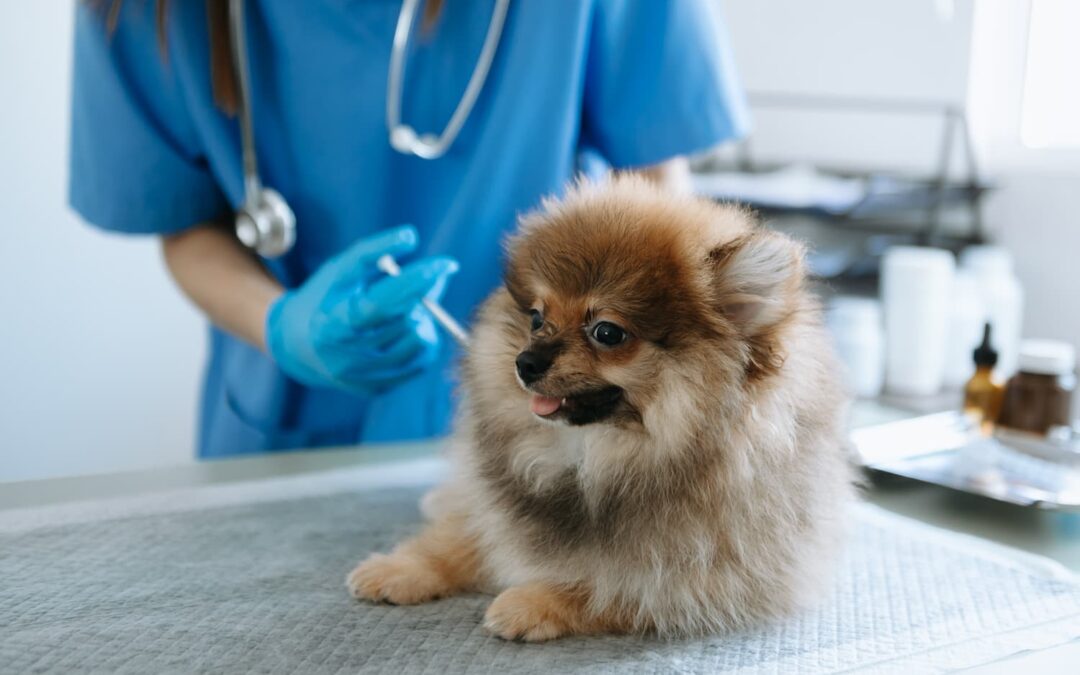
A vaccination visit involves more than simply administering a shot. Before recommending vaccines, our veterinarian performs a physical examination to evaluate your pet’s overall health and ensure they are ready for vaccination.
This is also a great opportunity to discuss nutrition, parasite prevention, behavior, and any changes you’ve noticed at home. Preventive care works best when every part of your pet’s health is considered.
At Cloquet Animal Hospital, our Fear Free Certified professionals work hard to make visits as comfortable as possible. Creating a calm, low-stress experience helps pets feel more relaxed while receiving the care they need.
A Lifetime of Protection Starts Today
Vaccinations are one of the most effective tools for preventing serious diseases and helping pets enjoy healthier lives. Combined with regular wellness exams, parasite prevention, and routine veterinary care, they form the foundation of lifelong health for dogs and cats.
If you have questions about dog vaccinations, cat vaccinations, or your pet’s vaccine schedule, our veterinary team at Cloquet Animal Hospital is happy to help. We will recommend a personalized vaccination plan based on your pet’s individual needs and lifestyle.
Ready to keep your pet protected? Request an appointment with our veterinarian today. You can also conveniently order eligible preventives and other products through our online pharmacy.
Image credit: Envato