
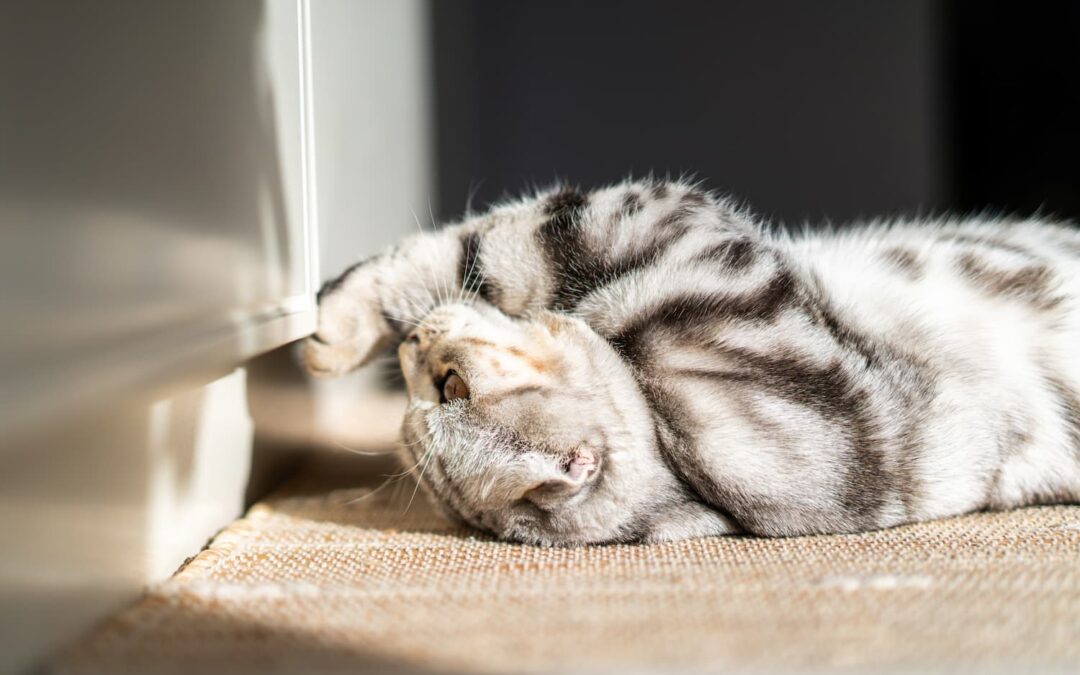
Does your dog start following you from room to room when there is nothing exciting happening? Maybe your cat suddenly decides the sofa needs extra scratching or starts racing through the hallway at bedtime. Sometimes, these behaviors can be a sign that your pet needs more opportunities to play, explore, think, and use their natural instincts.
For pet owners in Cloquet, MN, snow, rain, cold temperatures, or a busy schedule can sometimes limit outdoor adventures. Fortunately, indoor enrichment for dogs and cats can provide mental stimulation and physical activity without leaving home. You do not need expensive equipment, either. Simple games and small changes to your pet’s routine can make indoor days much more interesting.
Why Do Dogs and Cats Need Enrichment?
Enrichment gives pets safe ways to express natural behaviors. Dogs often enjoy sniffing, searching, chewing, learning, and interacting with their families. Cats naturally enjoy stalking, chasing, climbing, scratching, hiding, and observing their surroundings.
Providing appropriate outlets for these behaviors can help prevent boredom and add variety to your pet’s routine. The best activities depend on your pet’s age, health, mobility, personality, and interests.
Signs Your Dog or Cat May Be Bored
Pets cannot tell us they need something new to do, but their behavior may provide clues. Possible signs include:
- Restlessness or attention-seeking: Your pet may follow you constantly, vocalize more often, or have trouble settling.
- Destructive behavior: Chewing household items, scratching furniture, or getting into things may occur when pets are looking for stimulation.
- Changes in play: Some pets become overly energetic, while others may seem less interested in their usual routine.
These behaviors do not always mean boredom. Pain, anxiety, urinary problems, cognitive changes, and other medical concerns can also affect behavior. If you notice a sudden or significant change, contact our veterinary team at Cloquet Animal Hospital.
Indoor Enrichment Ideas for Dogs
Some of the best indoor activities for dogs encourage them to sniff, search, learn, and problem-solve. Try rotating several activities instead of relying on the same game every day.
- Create a scent hunt. Hide pieces of your dog’s regular kibble around a room and encourage them to find the food. Begin with easy hiding places and increase the challenge as your dog learns the game.
- Use puzzle feeders. Food puzzles and treat-dispensing toys turn part of a regular meal into an engaging activity.
- Practice short training sessions. Spend five or ten minutes practicing familiar cues or teaching skills such as touch, spin, place, or putting toys into a basket.
- Play hide-and-seek. Have a family member hide in another room and encourage your dog to find them.
- Build a simple obstacle course. Safe household objects can create a course for walking around, stepping over, or weaving between obstacles.
These dog enrichment ideas should match your dog’s physical abilities. Senior dogs and pets with arthritis may prefer scent games, gentle food puzzles, and short training sessions rather than high-energy activities. Our veterinarian can help you choose appropriate exercise if your dog has mobility or medical concerns.
Indoor Enrichment Ideas for Cats
Indoor cats still need opportunities to hunt, climb, scratch, hide, and explore. Fortunately, indoor enrichment for cats can be easy to incorporate into your home.
- Bring out a wand toy. Move it like prey by allowing it to dart, pause, hide, and reappear. Give your cat opportunities to successfully “catch” the toy.
- Introduce food puzzles. Start with an easy puzzle and gradually increase the challenge as your cat learns how it works.
- Create vertical spaces. Cat trees, shelves designed for cats, and secure window perches allow cats to climb and observe their environment.
- Offer boxes and tunnels. A simple cardboard box can become a hiding place, play area, or comfortable spot for a nap.
- Rotate favorite toys. Store some toys away and switch them periodically. An old favorite can become interesting again after a short absence.
Interactive toys containing strings or ribbons should be put away after playtime. Swallowing string can cause a serious intestinal problem.
Try Simple DIY Enrichment at Home
You may already have useful enrichment supplies around the house. A cardboard box can become a hiding spot, while kibble scattered in appropriate locations can create a supervised scavenger hunt.
For some pets, you can loosely roll pieces of kibble into the folds of a towel to create a simple food puzzle. Always supervise homemade activities and avoid small pieces, plastic, string, or materials your pet could swallow.
Turn Mealtime Into an Activity
Food is a great enrichment tool, but treats can add calories quickly. Instead of continually adding extra treats, reserve part of your pet’s measured daily meal for training, food puzzles, and scent games.
Pets with allergies, digestive problems, weight concerns, or medical conditions may need specific foods or treats. Our veterinarian can help you determine what is appropriate for your pet.
You can also visit the Cloquet Animal Hospital online pharmacy for convenient access to pet health products available through veterinary care.
How Much Indoor Enrichment Does Your Pet Need?
There is no single schedule that works for every pet. Several short activities throughout the day may be easier to manage than one long play session.
For example, you might try five minutes of training in the morning, a puzzle feeder later in the day, and an interactive game in the evening.
Pay attention to your pet’s response. Enrichment should be enjoyable rather than frustrating or exhausting. Puppies, kittens, senior pets, and animals with health conditions may need shorter or modified activities.
Keep Indoor Enrichment Safe
Before introducing a new activity, consider your pet’s size, chewing habits, mobility, and play style. Inspect toys regularly and replace damaged items.
Pets that aggressively chew toys may require closer supervision. Cats should not have unsupervised access to string or ribbon. Slippery floors and unstable obstacles can also create hazards, particularly for senior pets.
If your pet has arthritis, an injury, heart disease, breathing difficulties, or another health condition, ask our veterinary team which activities are appropriate.
Could “Bored” Behavior Be a Health Concern?
A sudden behavior change deserves attention. A dog that unexpectedly starts pacing at night may be uncomfortable rather than bored. A cat that begins hiding, vocalizing, or eliminating outside the litter box may have an underlying health concern.
Watch for other changes involving appetite, drinking, mobility, sleep, bathroom habits, or social behavior. If something seems unusual for your pet, scheduling an examination can help identify what is happening.
For families looking for a veterinarian in Cloquet, MN, Cloquet Animal Hospital provides caring veterinary care for dogs, cats, and exotic pets.
Make Indoor Days More Fun for Your Pet
Indoor enrichment does not need to be complicated. A cardboard box, a handful of kibble, a favorite toy, or a few minutes spent learning a new skill can bring welcome variety to your pet’s day. Experiment with safe activities and see which ones get your dog or cat excited to participate.
If you have questions about your pet’s behavior, nutrition, mobility, activity level, or overall wellness, our veterinary team is happy to help. Request an appointment with Cloquet Animal Hospital or call (218) 879-9280.
Image credit: Envato